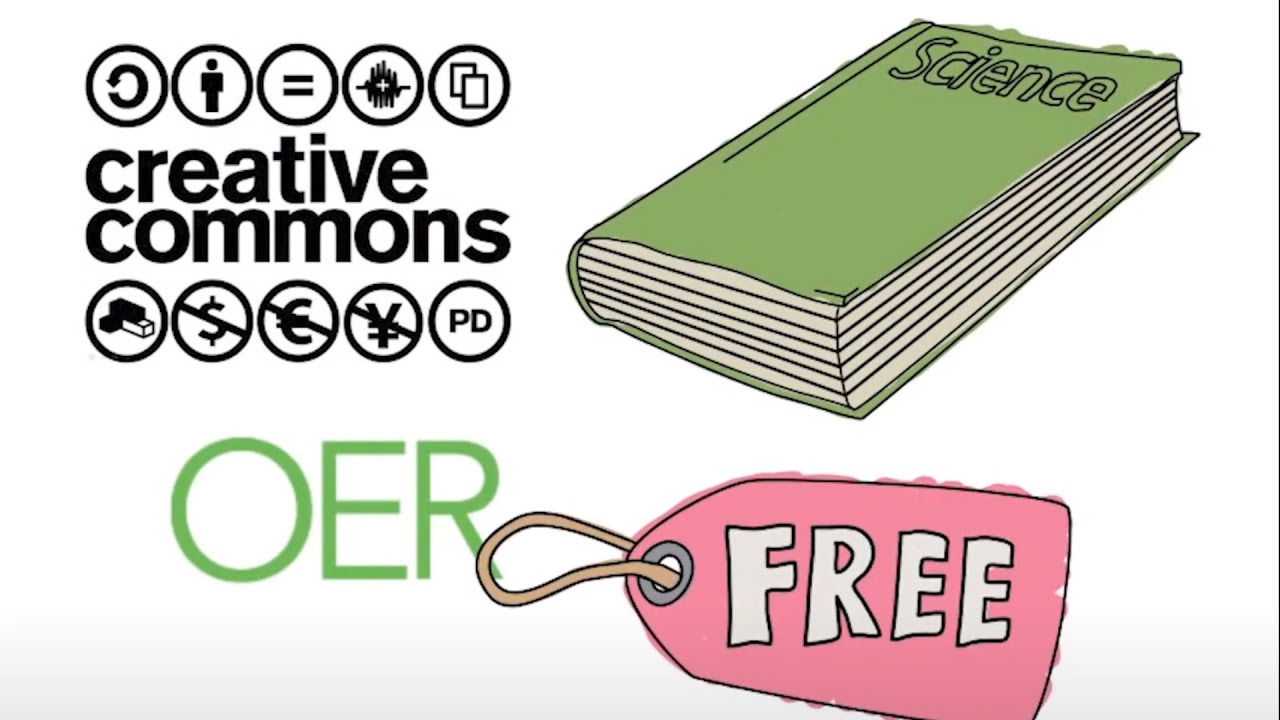
Open Educational Resources represent a paradigm shift in educational material development, offering educators three distinct pathways for implementation: adoption (using existing resources without modification), adaptation (customizing existing materials to fit local contexts), and creation (developing entirely new materials). Each approach carries dramatically different financial implications, time commitments, quality considerations, and long-term maintenance requirements. Understanding these distinctions is essential for institutions and individual educators making resource allocation decisions in an era of constrained educational budgets.
The fundamental principle underlying OER economics is deceptively simple yet profoundly important: OER are never truly “free,” though they are substantially less expensive than commercially published alternatives. While students and end users experience zero direct costs when accessing open materials online, institutions incur real costs in development, maintenance, quality assurance, and infrastructure. The critical question is not whether OER cost money—they do—but rather whether these costs prove more economical than traditional textbook purchasing and licensing arrangements.
Defining the Approaches: Time Intensity and Cost Structures
Research comparing the three pathways reveals clear distinctions in resource requirements. Adoption is the least time-intensive approach, involving simple integration of existing OER into courses without modifications. Adopting an appropriate existing resource typically requires 1-3 hours of faculty work per term for course planning, review, and integration. This minimal time commitment results from educators simply selecting materials that already align with their curriculum rather than creating or substantially modifying content.
Adaptation occupies the middle ground, requiring modest modifications to existing resources. Adaptation might involve removing irrelevant content, adding local examples, updating citations and references, reordering topics, customizing writing style, or supplementing with additional materials. Time commitments for adaptation range considerably based on scope—from removing extraneous material (minimal effort) to substantially restructuring content with extensive additions (moderate effort). Research suggests adaptation typically requires 4-6 hours per week across one to three terms, or approximately 40-90 total hours per semester, depending on the resource’s initial quality and alignment with course objectives.
Creation of entirely new OER from scratch represents the most intensive undertaking. According to multiple studies of compensation programs for OER development, faculty members creating original OER require substantial dedicated time. Clackamas Community College’s empirical study documented that creating completely new OER requires 6-9 hours per week over three consecutive terms, or approximately 54-81 hours per term on an intensive timeline. Fanshawe College’s agile approach—delivering one chapter weekly with professional support—required 12 hours per week during condensed summer terms and 6 hours per week during standard semesters.
The Financial Calculus: Development Costs Per Course
When institutions quantify these time commitments in financial terms, the cost differences become striking. An Achieving the Dream study examining five community colleges found that OER course development required approximately 180 hours of labor on average, translating to average compensation costs of $12,600 per course when accounting for faculty salary and benefits—figures that substantially exceeded the stipends ($500-$30,000) that institutions typically offered for OER development.
More broadly, the same study found that colleges investing in comprehensive OER programs averaged institutional costs of $576,000 for full implementation, including direct faculty compensation, staff support, administrative overhead, and infrastructure development. These costs are not trivial; they represent substantial institutional commitment comparable to textbook licensing arrangements that institutions would replace.
However, these per-course development costs decline dramatically when amortized across student enrollments. The study tracked per-student unit costs for OER course development, finding that initial unit costs averaged $70 per student enrolled. Importantly, as institutions matured their OER programs and shifted from developing new courses to adopting and adapting existing materials, unit costs declined to $21 per student by the final phases of the grant initiative. This progression demonstrates that while initial OER development is expensive, the marginal cost per additional student accessing these materials approaches zero—a fundamentally different cost structure from commercial textbooks that require per-student licensing.
Breaking Even: The Payback Analysis
When does the institutional investment in OER development produce financial returns justifying the upfront costs? The comparison depends on several variables: the number of students enrolling in courses using the new OER annually, the average textbook cost that OER will replace, and the institutional cost of development.
Consider a concrete example: suppose an institution develops an introductory biology textbook requiring 200 hours of faculty work (compensated at $50/hour including benefits = $10,000 in direct labor). Assume the commercial biology textbook it replaces costs students $150 per course, with the institution’s portion of revenue-sharing arrangements or direct purchasing averaging $50 per student. In a scenario where 150 students enroll in introductory biology annually:
Year 1: Cost = $10,000 (development). Savings = $7,500 (150 students × $50). Net = -$2,500
Year 2: Cost = maintenance costs (assume minimal, ~$500). Savings = $7,500. Net = +$7,000
Year 3+: Ongoing savings = $7,500 annually with minimal incremental costs
In this conservative scenario, the institution breaks even within 18-24 months and realizes ongoing savings of $7,500 annually. However, if enrollments were lower (fewer than 75 students annually), or if the commercial textbook costs were minimal, payback timelines would extend substantially. Conversely, in high-enrollment disciplines with expensive commercial textbooks, ROI occurs far more rapidly.
Adaptation as the Sweet Spot: Optimal Cost-Benefit Positioning
Research increasingly suggests that adaptation represents a particularly efficient middle pathway for many institutions. Adaptation costs are dramatically lower than creation—requiring approximately half the time commitment while typically delivering nearly equivalent pedagogical effectiveness. An institution adapting existing OER for 40-80 hours of faculty effort (roughly $2,000-$4,000 in compensation) can achieve substantial customization for specific institutional contexts while maintaining quality and alignment with learning objectives.
The strategic advantage of adaptation appears most significant when:
- High-quality OER exist in the discipline but require localization (adding local examples, institution-specific policies, or regional case studies)
- Faculty wish to customize content for specific learner populations (remedial students, advanced learners, working professionals)
- Institutional pedagogical preferences require modifications to instructional design, assessment approaches, or learning sequencing
- Copyright or licensing issues require removal of specific examples, images, or supplementary materials from existing resources
For institutions with limited development resources, a portfolio approach often proves optimal: aggressive adoption of high-quality existing OER (requiring minimal institutional investment), strategic adaptation of good-but-imperfect resources (leveraging institutional strengths and contextual knowledge), and selective creation of entirely new materials only when substantial gaps genuinely exist in available resources.
Beyond Development Costs: The Hidden Economics of Sustainability and Maintenance
A critical oversight in many institutional OER analyses involves underestimating long-term maintenance and sustainability costs. Unlike commercially published textbooks where publishers bear responsibility for maintaining currency, updating content, fixing errors, and managing digital platforms, OER sustainability depends on institutional commitment and often falls to individual faculty members or underfunded library initiatives.
As OER content evolves beyond initial publication—incorporating feedback, reflecting new developments in the field, updating statistics and examples—maintenance requires ongoing commitment. Faculty who initially developed or adapted OER materials bear moral if not formal responsibility for addressing errors, outdated information, broken links, accessibility issues, and pedagogical improvements that emerge from classroom use. Unlike commercial textbook publishers with dedicated quality assurance teams, OER creators typically manage maintenance on irregular, ad-hoc schedules around other responsibilities.
Institutions serious about OER sustainability should budget for:
- Annual content review and updates for courses enrolling more than 100 students (approximately 5-10 hours per year)
- Technology platform maintenance (hosting, backup, format migration as technical standards evolve)
- Accessibility compliance updates (WCAG standards continue evolving; older OER may not meet current accessibility requirements)
- Quality assurance and peer review (ongoing community vetting as resources age and usage reveals weaknesses)
For institutional OER initiatives serving hundreds or thousands of students, annual maintenance and support costs typically range from $500-$2,000 per course, making long-term budgeting essential.
Student Cost Savings: The Primary Benefit Driver
Despite these institutional costs, the student cost savings from OER adoption represent the most compelling justification for institutional investment. The textbook affordability crisis motivating OER adoption is severe and well-documented: textbook prices increased 82% between 2002-2012, and the average student spends $556 annually on course materials. For community college students particularly, textbook costs represent approximately 11% of total educational costs and can exceed 50% of out-of-pocket college expenditures.
Research consistently demonstrates that students using OER save between $100-$300 per course compared to traditional textbooks, with savings exceeding $1,000 annually for students enrolling in multiple courses using OER. Beyond direct cost savings, these reductions in textbook expenses translate into improved student outcomes: students facing high textbook costs are significantly more likely to delay course enrollment, reduce course loads, withdraw from classes, or forgo course materials entirely. OER adoption addresses this barrier directly.
A study at the University of Georgia using OpenStax biology OER found that students valued cost savings highly, reported satisfaction with material quality comparable to traditional textbooks, and perceived OER effectiveness as equivalent to commercial alternatives. Critically, students from low-income backgrounds disproportionately benefit, as textbook costs consume larger percentages of their educational budgets and represent greater barriers to access.
Quality Considerations: OER Versus Commercial Textbooks
A persistent concern about OER involves quality, particularly when comparing to professionally edited commercial textbooks. However, research generally finds that quality varies widely among OER, similar to variation in commercial textbooks, and peer-reviewed OER compare favorably to traditional materials.
Multiple quality assurance mechanisms help ensure OER reliability:
Peer review processes through repositories like MERLOT assign qualified reviewers to evaluate OER using disciplinary standards, producing composite reports assessing accuracy, relevance, and pedagogical effectiveness. While OER peer review shares strengths with academic journal processes, it faces unique challenges: repositories may post materials before completing review; OER continuously evolve while peer review captures static snapshots; and recruiting qualified reviewers sometimes strains repository resources.
Crowdsourced evaluation and user ratings provide ongoing quality feedback as educators and students use materials in actual courses. Unlike commercial textbooks that remain static until new editions, OER can be continuously improved based on real-world usage feedback. This evolutionary approach to quality—where materials improve iteratively rather than remaining locked until republication—represents a distinctive advantage over commercial materials.
Institutional quality assurance policies establish formal review processes, evaluation committees, and guidelines for OER selection and endorsement. Educational institutions implementing such policies ensure that OER meet local academic standards before adoption.
Quality assessment frameworks such as the TIPS framework (Teaching & Learning, Information, Presentation, System), the Open Textbook Rubric, OER Evaluation Checklists, and accessibility standards provide structured approaches to evaluating OER before adoption or adaptation. Using such frameworks, educators can systematically assess accuracy, relevance, accessibility, and interactivity before committing to course adoption.
Importantly, no reliable evidence suggests that free OER are inherently lower quality than expensive commercial materials. Authors placing work in the open domain typically exercise careful attention to quality, and continuous improvement mechanisms mean well-established OER often surpass static commercial alternatives in current relevance.
Faculty Adoption Barriers: The Implementation Gap
Despite clear student benefits and reasonable institutional economics, faculty adoption remains surprisingly limited. Research surveying 2,700 U.S. higher education faculty identified the most significant barrier as time and effort required to find, evaluate, and adapt OER. Multiple studies confirm that lack of time and information about available resources consistently emerges as the primary obstacle to adoption.
Additional barriers include:
- Quality concerns (uncertainty about whether available OER meet academic standards for specific disciplines)
- Insufficient institutional support (lack of librarian assistance, technical support, or curriculum development resources for OER adaptation)
- Copyright and licensing confusion (faculty uncertainty about what reuse is legally permitted under different Creative Commons licenses)
- Perceived stigma (concern that using free materials signals lower rigor or that colleagues might view OER adoption skeptically)
- Technical barriers (difficulty accessing, editing, or combining materials in available technical formats)
- Pedagogical mismatch (existing OER not fully aligned with specific institutional pedagogies or assessment approaches)
Addressing these barriers requires sustained institutional effort: librarian support for OER discovery and evaluation, faculty professional development programs, technical assistance for adaptation, and institutional policies endorsing and supporting OER adoption.
Comparative Cost-Benefit Summary: Three Pathways
| Approach | Adoption | Adaptation | Creation |
|---|---|---|---|
| Faculty Time Required | 1-3 hours/term | 40-90 hours/term | 54-81 hours/term (intensive) |
| Compensation Typical Range | $0-$500 | $1,000-$5,000 | $10,000-$30,000 |
| Per-Course Development Cost | ~$200 | ~$2,500 | ~$12,600 |
| Break-Even Timeline | Immediate (no development) | 6-12 months (for 100+ students annually) | 18-36 months (for 100+ students annually) |
| Annual Student Savings | $10,000-$30,000 (100 students × $100-$300) | $10,000-$30,000 | $10,000-$30,000 |
| Annual Maintenance Cost | $200-$500 | $300-$1,000 | $500-$2,000 |
| Quality Certainty | High (existing resource) | Moderate-High | Moderate (depends on faculty expertise) |
| Scalability | Excellent | Good | Moderate |
Strategic Recommendations for Institutions
Institutions optimizing OER investment should pursue tiered strategies reflecting both financial efficiency and educational goals:
Tier 1: Aggressive Adoption
Search extensively for high-quality existing OER matching course objectives. Use decision trees and evaluation frameworks to identify materials requiring no or minimal modification. Adopt at scale, prioritizing high-enrollment courses where per-student cost savings prove largest. Investment: minimal.
Tier 2: Strategic Adaptation
Target courses where good OER exist but require customization. Provide faculty with dedicated time (course releases, stipends, or reassigned duties) to adapt materials, adding local context, improving accessibility, or supplementing with institution-specific content. Investment: moderate ($1,000-$5,000 per course).
Tier 3: Selective Creation
Create original OER only for high-enrollment courses in disciplines where quality OER genuinely lack or where institutional innovation creates unique value. Support faculty with instructional design assistance, technical support, and adequate compensation. Investment: substantial ($10,000-$30,000+ per course).
Tier 4: Community Partnerships
Collaborate with other institutions on development, sharing labor, funding, and maintenance responsibilities. Reduce per-institution costs while expanding resource availability for the broader community.
Addressing the Adoption Challenge
Institutions achieving significant OER adoption rates invest strategically in reducing faculty barriers:
- Librarian-led OER discovery and evaluation (helping faculty identify suitable materials without extensive independent research)
- Faculty professional development programs (workshops on OER benefits, licensing, evaluation, and adaptation techniques)
- Dedicated support staff (instructional designers, technical specialists, accessibility experts assisting with adaptation)
- Incentive structures (stipends, course releases, or institutional recognition for OER adoption and creation)
- Institutional policies endorsing OER and guiding quality standards
David Wiley, a leading OER researcher, emphasizes this critical point: simply creating OER and posting online assumes adoption will follow, but it does not. Successful OER programs require active institutional support addressing adoption barriers, not passive resource repositories.
Conclusion: Cost-Benefit Analysis Across Institutional Contexts
The cost-benefit calculation for OER development versus adaptation versus adoption varies significantly based on institutional context, but general principles emerge:
For institutions prioritizing affordability and efficiency, adoption of high-quality existing OER provides maximum student benefit with minimal institutional investment, making it the logical starting point.
For institutions with modest development capacity and stable course enrollments, selective adaptation of good-but-imperfect OER provides excellent returns, balancing customization against reasonable resource investment.
For institutions with sufficient capacity, significant student populations, and unique institutional missions requiring customized content, original creation of OER represents justified investment with payback timelines of 18-36 months and ongoing annual returns.
Across all contexts, institutional commitment to sustainability, ongoing maintenance, and faculty support proves essential for realizing promised benefits. OER economics are not about creating free materials; they are about making more affordable, locally relevant, continuously improving alternatives to expensive commercial textbooks. When approached strategically—combining adoption, adaptation, and selective creation while investing in faculty support and sustainable infrastructure—OER deliver substantial cost savings to students while maintaining or improving educational quality and often achieving financial sustainability for institutions within 2-3 years of initial investment.